Climate Change - Higher pollen levels
#ClimateChange induced factors like rising temperatures, higher pollen levels, increased air pollution from sources such as wildfires, and changes in flooding patterns may worsen symptoms of atopic dermatitis.

#ClimateChange induced factors like rising temperatures, higher pollen levels, increased air pollution from sources such as wildfires, and changes in flooding patterns may worsen symptoms of atopic dermatitis.

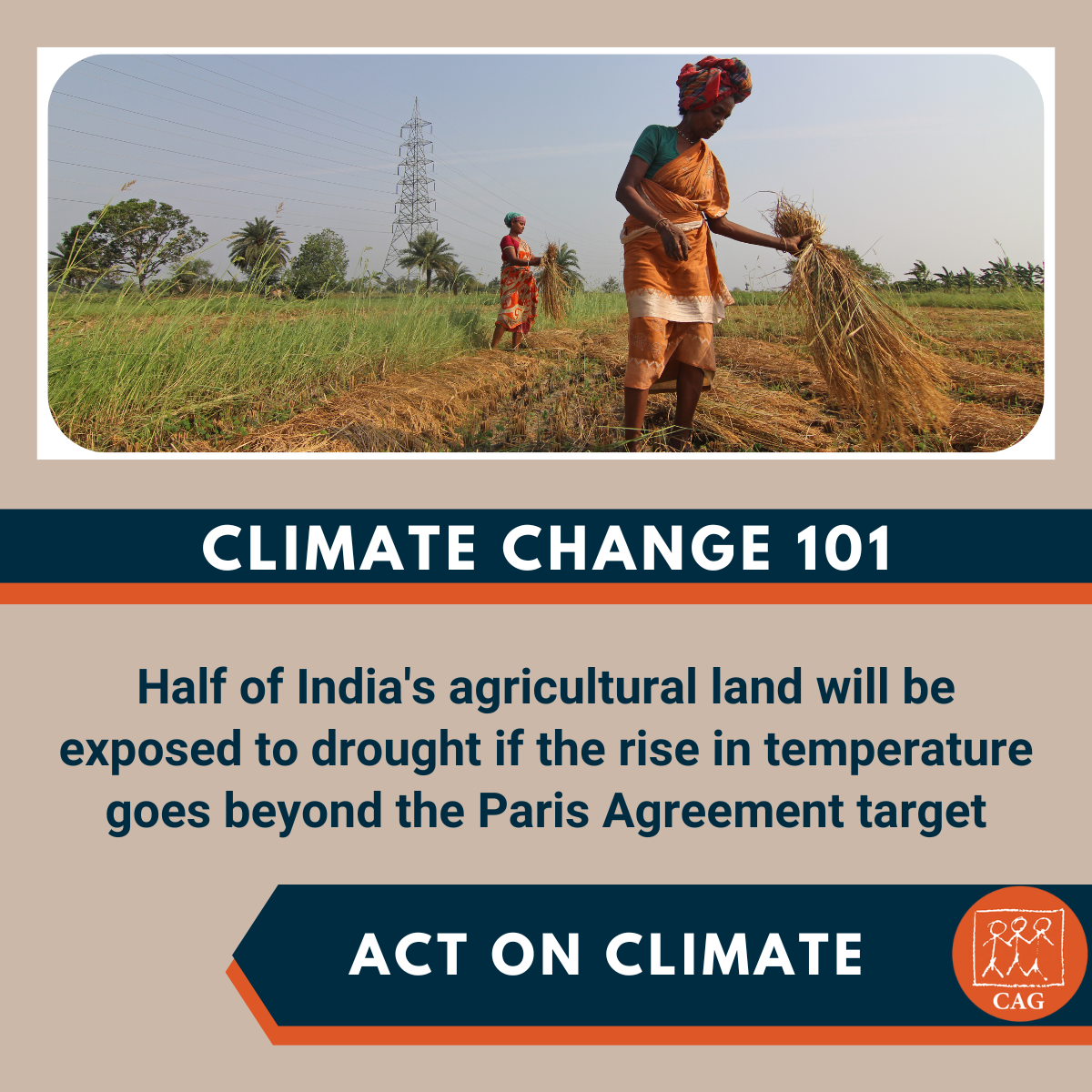
India ranked 12th on the risk index that assesses the level of Climate Change threat faced by women employed in agricultural sectors. This calls for decision-makers & investors to target finance & investments to areas where these women are most affected.

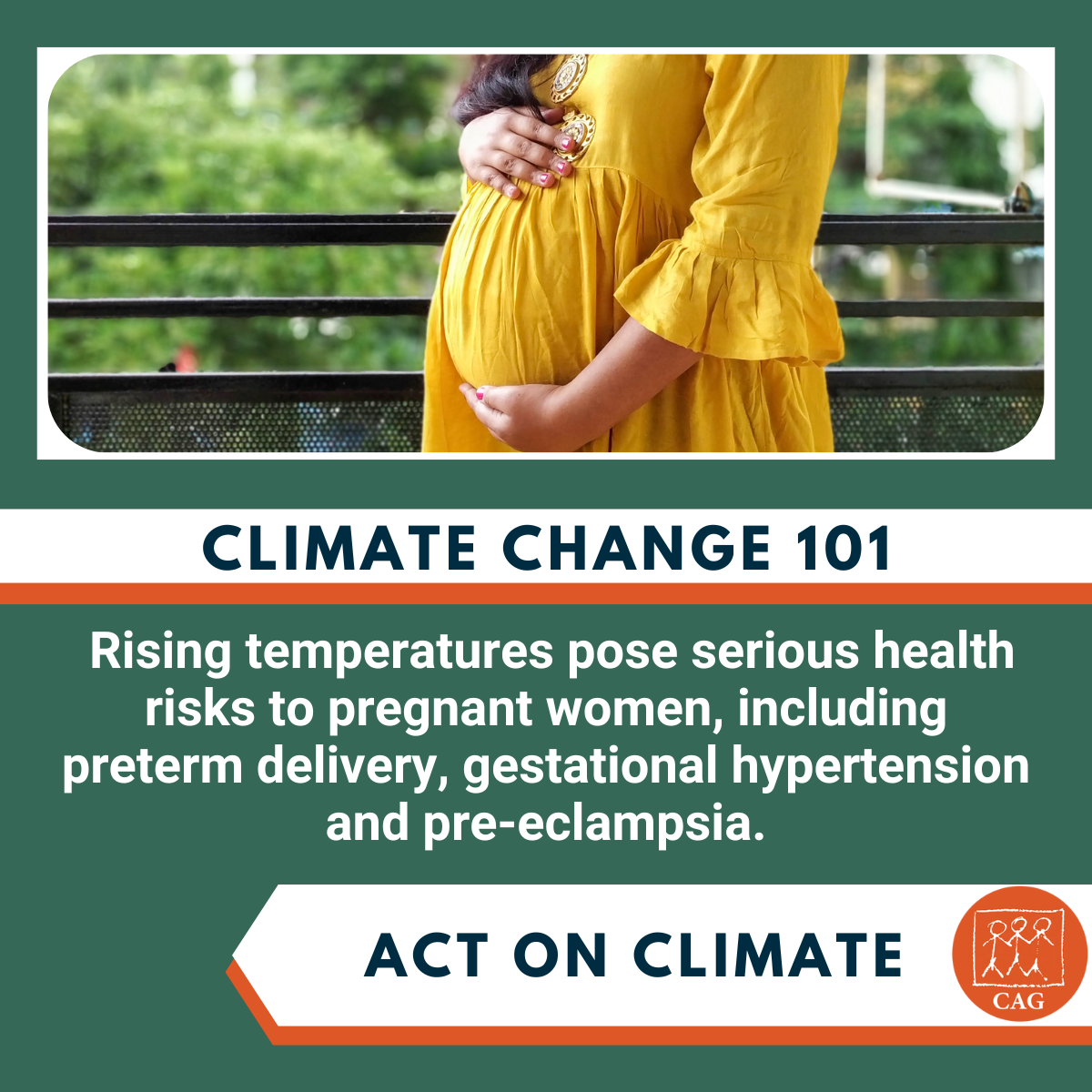
Recent studies by Local Governments for Sustainability and Ipsos In India aimed at guiding policymakers emphasised the need for public spaces that are child-friendly and accommodate the needs of caregivers and pregnant women.

Non-conducive climatic conditions have resulted in delayed maturation of cardamom beans in Idukki. These challenges not only threaten the cardamom sector but also have implications for the livelihoods of the people involved in cardamom farming.

Birds play important roles in seed dispersal & pollination. Their loss disrupts these vital processes leading to cascading harmful effects on the ecosystems. We need to ramp up efforts to #ProtectBirds with habitat restoration.

Erratic monsoons will cause sea level rise & increase extreme weather events. This poses significant challenges for water resource management, agriculture & disaster preparedness in India and other monsoon-dependent regions.

There is an urgent need for effective conservation strategies in the face of climate hazards like heat waves and extreme temperature fluctuations in order to mitigate sex-specific responses to Climate Change in wild animals.

University of Adelaide & Utrecht University scientists found in a review of 965 studies that the oxygen level in rivers is decreasing due to higher temperatures. Droughts & heatwaves further worsen salinity & pollutants, causing significant environmental concerns.

As per Elsevier study #ClimateChange induced extreme weather events impact insect populations by causing a spike in mortality. This in turn affects the relationships between plants, herbivores, predators & other organisms involved in the food web.

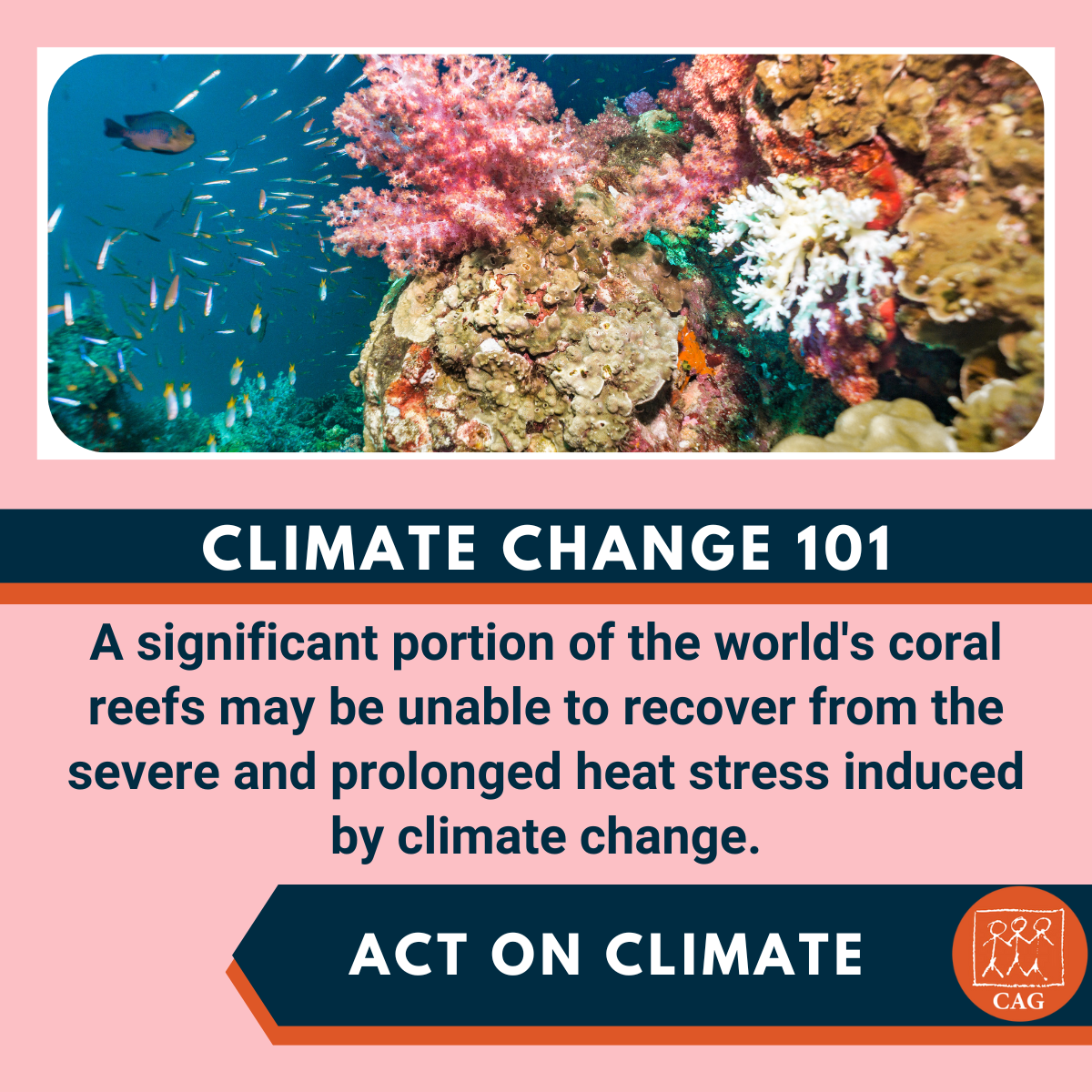
A recent Brown University study unveils novel insights into temperature-induced coral bleaching. This paves the way for innovative models and urgent avenues of future research in understanding marine ecosystems.